Rwanda in 2026: A Growing Economy Creating New Opportunities for Its People
Rwanda Economy 2026: Growth, Investment and Opportunities
Rwanda is continuing to attract attention for its economic development, growing tourism industry and ambitions in technology and innovation. From the expanding skyline of Kigali to the country's agricultural landscapes and national parks, the country is working to create new opportunities while strengthening its position in Africa.
But beyond the headlines, what do the latest figures tell us about Rwanda's progress, and what could this mean for its people?
Rwanda's Economy Shows Strong Growth
One of the most encouraging developments is the performance of Rwanda's economy.
According to the National Institute of Statistics of Rwanda, the country's economy grew by 9.4% in the second quarter of 2026 compared with the same period in 2025. Industry grew by 18%, services by 7%, and agriculture by 4%.
Construction, manufacturing, trade, and information and communication services all contributed to this economic activity.
These figures suggest that growth is taking place across several important parts of the economy, rather than depending on just one industry.
For businesses and entrepreneurs, this creates reasons to explore opportunities in areas such as construction services, logistics, digital solutions, food processing and professional services. However, continued investment, skills development and access to finance will be important to ensure that economic growth translates into more opportunities for households.
Source: National Institute of Statistics of Rwanda — GDP, Q2 2026.
Tourism Continues to Put Rwanda on the World Map
Rwanda's natural beauty remains one of its strongest international attractions.
Mountain gorillas, the forests of Nyungwe, Akagera National Park and the country's scenic hills offer visitors a range of experiences. Kigali also hosts international conferences and business events, helping connect Rwanda with visitors, organisations and investors from around the world.

The Rwanda Development Board reported that tourism revenue reached US$685 million in 2025, up from US$647 million in 2024. Visitor arrivals reached approximately 1.49 million.
These results demonstrate the economic importance of tourism and its potential to support businesses beyond major hotels and tour operators.
Local guides, transport providers, restaurants, artisans, farmers, and accommodation businesses all participate in the tourism value chain. Supporting local products and services help ensure that tourism creates benefits for communities as well as visitors.

The next opportunity is to keep developing high-quality experiences while protecting the natural environment that makes Rwanda special.
Source: Rwanda Development Board — 2025 Tourism and Investment Performance.
Technology Is Opening New Possibilities
Technology is another important part of Rwanda's development ambitions.
Digital services helps businesses reach customers, improve public service delivery, and make information easier to access. Rwanda's continued focus on digital transformation also creates opportunities for young people interested in software development, artificial intelligence, cybersecurity, data analysis, and digital entrepreneurship.
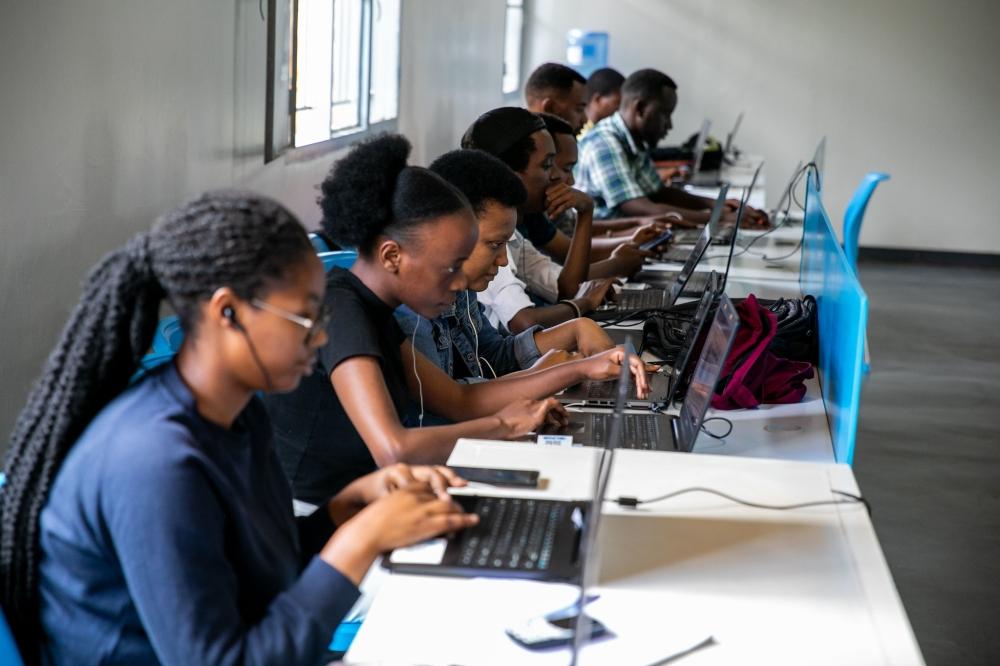
These opportunities are not limited to large technology companies.
A small business uses digital tools to manage its stock, market its products, communicate with customers or sell services online. A young developer can build solutions for local problems, while a farmer or cooperative can explore digital ways to connect with buyers.
The key is turning technology into practical solutions that people can afford and use.
As digital adoption expands, investment in education, reliable infrastructure, cybersecurity and relevant professional skills will remain essential.
Made in Rwanda: The Opportunity to Build Local Businesses
Rwanda's development also depends on the ability of local businesses to produce competitive goods and services.
Agriculture, food processing, manufacturing, construction and creative industries offer opportunities to create value locally. Instead of relying only on imported products, businesses can explore ways to produce, package, improve and market goods made in Rwanda.
For example, agricultural entrepreneurs can look beyond selling raw produce and consider processing, packaging and distribution. Clothing businesses can develop products inspired by Rwandan culture, while digital entrepreneurs can build services for local and regional markets.
Success requires more than a good idea. Product quality, pricing, customer trust, reliable supply chains and effective marketing all matter.
Nevertheless, supporting capable local businesses help create jobs, strengthen domestic industries and give Rwandan products greater visibility.
The Next Chapter Belongs to People Who Create Solutions
Rwanda's progress is encouraging, but the country's future will not be determined by economic statistics alone.
Young people need practical skills and meaningful employment. Entrepreneurs need access to finance and customers. Farmers need productive markets, and businesses need to become more competitive. Continued development must also consider affordability, environmental sustainability, and the distribution of economic opportunities.
These are important challenges, but they also point towards areas where innovation and investment can make a difference.
A young person who learns a valuable skill, a business that creates jobs, a farmer who improves productivity or an entrepreneur who solves a local problem can all contribute to the country's future.
Rwanda's development story is therefore not only about cities, investment figures or international recognition. It is also about the possibilities that people can build through knowledge, hard work, creativity and collaboration.
Rwanda's Future: Progress Through Opportunity
Rwanda enters the remainder of 2026 with encouraging economic figures, a valuable tourism sector and opportunities across technology, agriculture and industry.
Maintaining this progress will require continued effort from government institutions, private businesses, investors, educators and citizens.
The most meaningful measure of success will be how effectively national progress creates better livelihoods, stronger businesses and opportunities for the next generation.
For Rwandans at home and abroad, the message is clear: there is potential to contribute to the country's future not only by celebrating its achievements, but by helping turn its opportunities into practical results.
Rwanda's next chapter will be shaped by the people who see a challenge, develop a solution, and work together to make it happen.